Have a steady person to get to know through shared interests and activity.
Make choices, ask for help, say no and find a way back after a hard moment.
Connect what happens in sessions with home through the included caregiver conversations.
Sometimes distress is loud
Sometimes it disappears inside.
Your child may become explosive, argumentative, aggressive, or destructive when things feel overwhelming.
Or their distress may be harder to see. They may withdraw, freeze, avoid, agree to things they do not want, or become difficult to reach. They may hold everything together in one setting and fall apart in another.
Your family may spend a great deal of time anticipating what could go wrong. You may have attempted consequences, conversations, therapy, school plans, or giving them more space and still be unsure what would actually help.
School of Self Youth Sessions offer something different: a steady relationship, built at your child’s pace, that helps them understand themselves, build relationships, and move toward greater belonging.
Your child does not have to arrive ready
We begin by respecting what is true.
They do not have to be ready to talk, trust us, explain themselves, or feel certain that they want support.
We will not tell you that every behavior is secretly a request for closeness. Sometimes a young person wants distance. Sometimes they are protecting themselves, escaping pressure, attempting to regain control, or communicating in the only way available to them.
We do not require them to want the relationship we think they should want.
What can become different
Not easier to manage. More room to be themselves.
Build a steady relationship through shared interests and activity.
Notice what is happening before a moment becomes overwhelming.
Discover what helps them feel steadier and more able to participate.
Make choices and communicate preferences, needs, and limits.
Ask for help, say no, and participate in decisions that affect them.
Experience frustration without the relationship automatically ending.
Find a way back after something gets hard.
Build relationships without having to hide who they are.
These are not skills we expect your child to perform perfectly. They are experiences we return to by noticing what happened, making sense of it, and beginning again.
Meet Matt
Playful. Practical. Interested in your child.
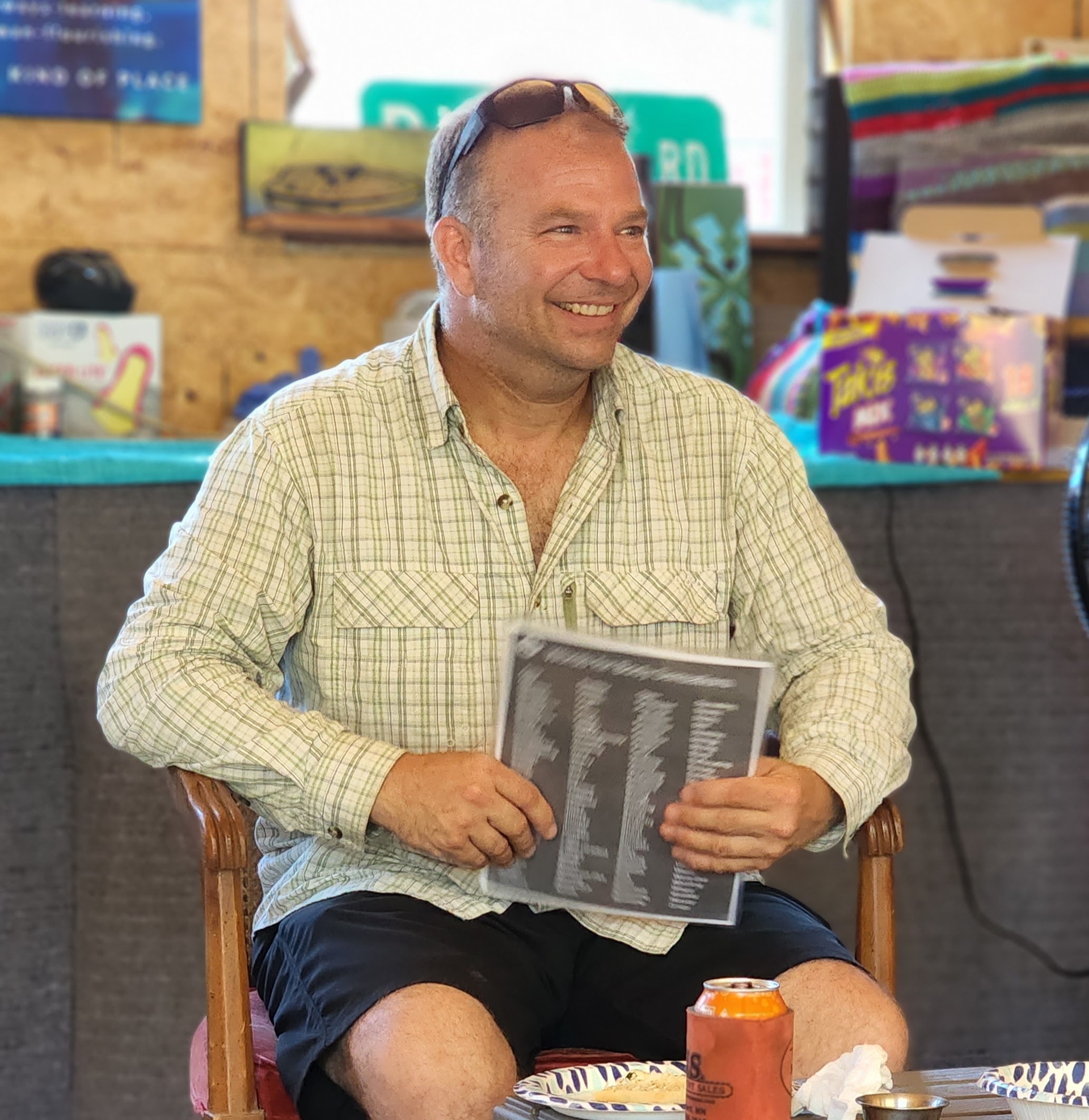
Matt begins by getting to know your child: their interests, energy, communication, humor, preferences, and what helps them participate. He brings practical curiosity, food, music, shared activity, and a gift for helping young people discover that they have something to contribute.
“I used to be one of those kids,” Matt says.
Matt does not need your child to impress him, explain everything, or perform being helped. He gives the relationship time to become real.
Youth Sessions may be a good fit when
A different kind of beginning may help.
Your child is difficult to reach through traditional talk-based support.
Behavior has become intense, confusing, or disruptive.
Your child shuts down, withdraws, or seems increasingly disconnected.
Your child needs support expressing needs and advocating for themselves.
Neurodivergence affects how your child experiences expectations, relationships, or daily life.
You want support that respects your child’s autonomy while keeping caregivers meaningfully involved.
Youth Sessions are not emergency or crisis services. The required Discovery Call helps us consider whether this doorway matches what your child and family need right now.
In-person Youth Sessions
27 included hours across 12 weeks.
For young people who benefit from a steady relationship built through shared interests and activity at the farm and in the community, with support for their caregivers, too.
Support alongside real life
The activity is not the point.
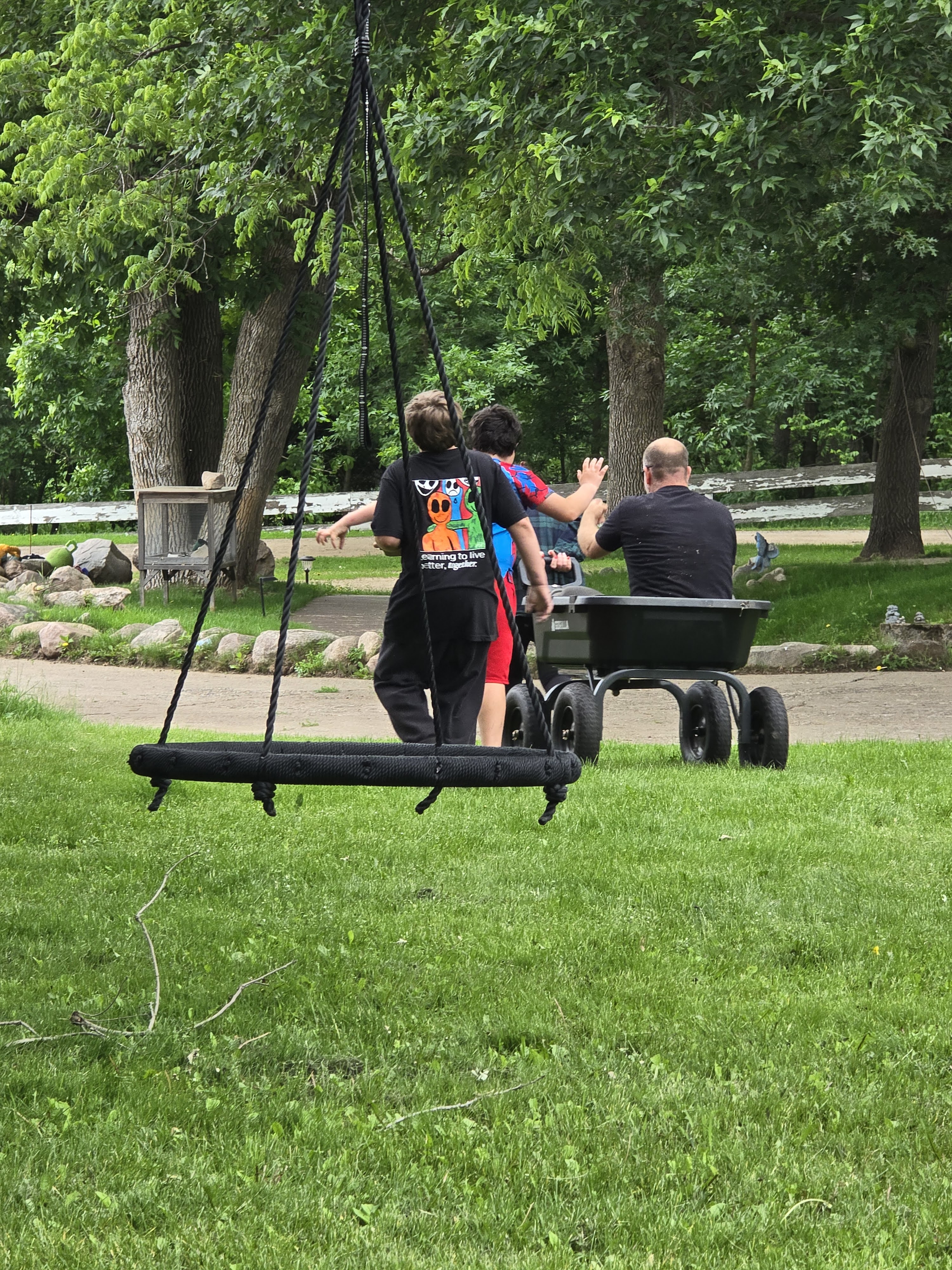
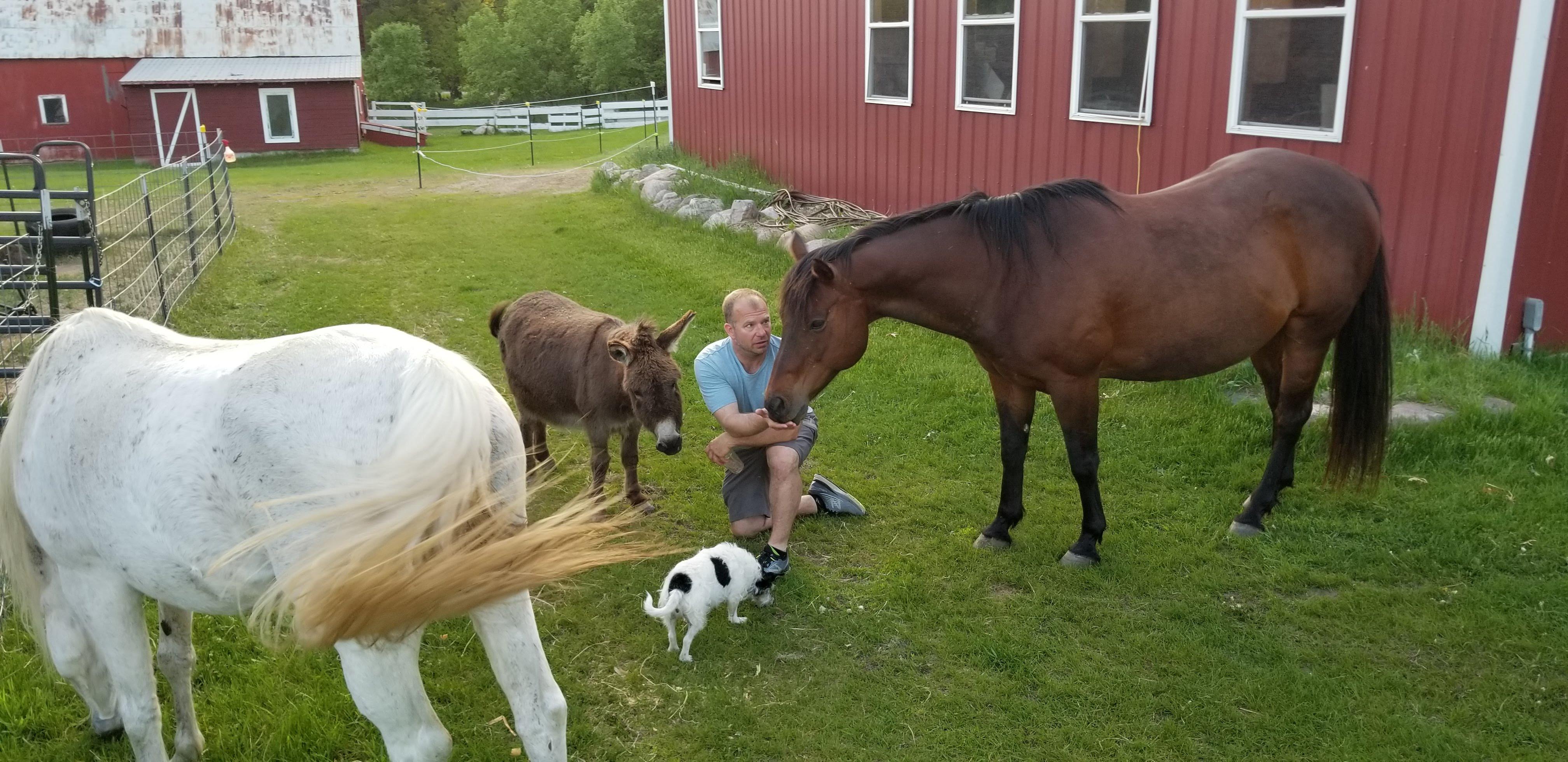
Time together may involve projects, movement, conversation, food, music, animals, practical challenges, shared interests, or simply room to settle before words are expected. The activity creates conditions in which trust, self-awareness, confidence, communication, and relationship can grow.
Toward friendship and belonging. When appropriate and available, in-person Youth Sessions may become a bridge into Friendship Circles. A Youth block does not promise an immediate or automatic group place.
24 youth-facing hours
A relationship at your child’s pace
Individualized time with Matt, shaped around your child’s needs, interests, capacity, and goals.
90-minute caregiver onboarding
Support from the beginning
Sara meets with caregivers before the first Youth session, focused on your child, your family, and what you are navigating.
Three 30-minute check-ins
Space to understand change
Caregiver check-ins with Sara help you notice patterns and remain connected without making your child feel watched or reported on.
Total: 27 included hours. Sessions unfold over 12 weeks from the first actual Youth session after onboarding. Their length and rhythm are agreed together rather than divided into twelve identical appointments. The child’s farm meet-and-greet uses Youth hours.
In-person Conditional Early Fit
A clear way to talk about fit.
Early Fit may be requested after onboarding and before the fourth Youth session. We make reasonable adjustments, hold a required fit or closure conversation, and confirm eligibility.
Eligible unused paid support may become a nontransferable 12-month credit for eligible caregiver-only or adult services. It is not an ordinary cash-refund guarantee. Unpaid future charges for ending undelivered Youth work are canceled; ordinary withdrawal leaves the remaining balance owed.
Give 48 hours’ notice to reschedule. Late cancellations and no-shows use reserved time. A narrow grace beyond week 12 applies only to specific provider-caused reschedules.
Virtual Youth Coaching
8.5 included hours across approximately six weeks.
For neurodivergent youth and caregivers who want relationship-based coaching from home, this complete virtual package offers consistent one-to-one work with Matt on Zoom and planned caregiver support. The work is built at the young person’s pace.
90-minute caregiver onboarding
Begin with context.
Sara leads the 90-minute caregiver onboarding, learning about your young person, your family, and what brings you to coaching.
Six weekly youth sessions
One-to-one with Matt.
Six 60-minute coaching sessions via Zoom, shaped around the young person’s pace, voice, interests, and capacity.
Two caregiver follow-ups
Stay connected.
Sara leads one 30-minute caregiver follow-up during week two and another during week five.
Total: 8.5 included hours. The virtual package does not include farm sessions, community outings, or Friendship Circles. It does not require Foundations or Family Practice, and it does not lead into another required program. Families may finish after one package. Additional packages may be purchased when continued coaching feels useful and capacity is available.
Fit matters
We pause together before the second half.
Fit matters. After onboarding, two youth sessions, and the first caregiver follow-up, we will pause together and decide whether continuing feels useful. If you or Matt believes this is not the right fit, you may stop. We will refund the unused second half of a paid-in-full package or cancel your second payment.
Paid-in-full families receive a $675 refund. Payment-plan families have the second $675 payment canceled. Completed sessions are not refunded. This is a fit promise, not a guarantee of a particular outcome. The decision is about fit, not whether the young person demonstrates participation, progress, or compliance.
What families have noticed
Stories from earlier work.
“Thank you for giving her the tools and confidence in the tools to help her manage and balance the pressures in a way that has enabled her to experience notable joy in the things that anxiety used to overtake any chance for joy. Last year at this time I was so worried for her. Today I am just marveling and so, so grateful. Thank you for the work you do and difference you have made for our whole family.”Parent of a teen, historical family and youth support
“I learned how to handle my emotions and not just explode. There I learned people skills. I learned new ways to connect. I learned how to figure out how other people are feeling. I learned how to forgive people and strengthen relationships.”Youth participant, 2018
“I am forever grateful for the healing your farm has brought to our family. This horse picture has been on our refrigerator ever since. Thank you and your family for being a piece to ours and other’s lives.”Parent and former group-home worker
Before you decide
Frequently asked questions
How should I talk with my child about coming?
Invite rather than simply announce. Ask whether they would be willing to meet Matt and see what it is like. They do not have to promise they will like it or already know what they want.
Is this therapy?
No. Youth Sessions provide relational, experiential, and educational support. They do not replace psychotherapy, medical care, crisis services, or other clinical treatment.
Does my child need explosive behavior or a diagnosis?
No. We work with young people whose distress becomes loud and those whose distress appears as withdrawal, shutdown, compliance, or disconnection. A diagnosis is not required.
Will you tell me everything my child says?
No. Young people need an appropriate degree of privacy for trust to develop. Caregiver check-ins focus on patterns, needs, progress, and support. Safety concerns are handled directly and appropriately.
Can you attend school meetings?
School Meeting Advocacy is available as a separate service. We can discuss whether it would be useful during your Discovery Call.
School of Self, in practice
There’s room to begin.
We’re learning and building, too. You can start before everything is figured out.